Search here...
Your Cart
$0.00
[vc_row][vc_column][vc_custom_heading text="Stress Less - Just Relax" use_theme_fonts="yes"][vc_column_text]
Key Points
For many of us, relaxation means flopping on the couch and zoning out in front of the TV at the end of a stressful day. But this does little to reduce the damaging effects of stress. Rather, body need to activate natural relaxation response, a state of deep rest that puts the brakes on stress, slows breathing and heart rate, lowers blood pressure, and brings body and mind back into balance. This can be done by practicing relaxation techniques such as deep breathing, meditation, rhythmic exercise, yoga. It will definitely help to Stress Less - Just Relax.Let's explore tips to relieve stress and anxiety.
[/vc_column_text][/vc_column][/vc_row][vc_row][vc_column][vc_column_text]
[/vc_column_text][vc_column_text]
Stress stimulates the immune system, which can be a plus for immediate situations. This stimulation can help to avoid infections and heal wounds. But over time, stress hormones will weaken the immune system and reduce body’s response to foreign invaders. People under chronic stress are more susceptible to viral illnesses like the flu and the common cold, as well as other infections. Stress can also increase the time it takes to recover from an illness or injury.
Stress triggers a set of biological responses including:
• The release of stress hormones from adrenal glands – adrenaline and cortisol
• An increase in blood sugar
• Rising blood pressure
• Rapid heart beat
[/vc_column_text][vc_column_text]
[/vc_column_text][vc_column_text]The adrenal glands, nestled on the upper, inner surface of each kidney, produce the main stress response hormones adrenaline, noradrenaline and cortisol. Over time, the adrenal glands may become overworked and have difficulty producing the right amount of these hormones.Let's try to Stress Less - Just Relax[/vc_column_text][vc_row_inner][vc_column_inner width="1/3"][vc_single_image image="6924" img_size="medium" alignment="center"][vc_column_text]
[/vc_column_text][vc_column_text]
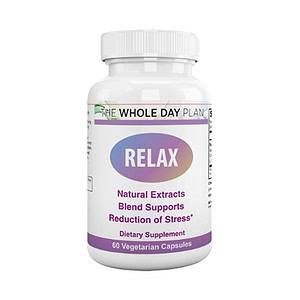
[/vc_column_text][/vc_column_inner][vc_column_inner width="2/3"][vc_column_text]Natural herbs and supplements are helpful in managing stress and anxiety. Here are few of them:
Chamomile is popular for its easy availability and wide range of healing properties. It is often used to relieve stress-induced symptoms such as insomnia and gastrointestinal disorders.
Mint is commonly used to relieve stress and induce calmness. Peppermint oil’s relaxation-promoting properties on gastrointestinal tissue and its analgesic and anesthetic effects have been found in past studies.
Barley tea has proven effective in relaxing the body. Its capability to relieve stress is thought to derive from its contribution of tryptophan, an amino acid necessary for sleep and synthesizing serotonin – a neurotransmitter essential in the regulation of sleep and mood.
Passionflower is marketed for its ability to treat sleep disorders, nervous tension, and anxiety. A recent study found that passionflower was as effective as oxazepam, a prescribed anxiolytic drug, in treating patients with anxiety disorders.
Ashwagandhat is one of the anti-stress herbs used to help people cope with stress and fatigue and it is suggested that this plant also poses anti-anxiety and antidepressant properties.[/vc_column_text][vc_column_text]Key nutrients
Nutrients that specifically support the adrenal glands include:
Vitamin C found in most fresh fruit and vegetables. It is stored in the adrenal gland and is required to make cortisol.
Magnesium is dramatically depleted in times of stress, and symptoms of deficiency often include fatigue, anxiety, insomnia and predisposition to stress. Include plenty of dark green leafy vegetables, wholegrains, nuts and seeds to supply adequate levels of magnesium.
B vitamins can help to support adrenal function, particularly B5 which directly supports adrenal cortex and hormone production. Sources include wholegrains, nuts and seeds.[/vc_column_text][/vc_column_inner][/vc_row_inner][vc_row_inner css=".vc_custom_1603351458270{background-position: center !important;background-repeat: no-repeat !important;background-size: cover !important;}"][vc_column_inner][vc_empty_space height="10px"][vc_column_text]
[/vc_column_text][vc_column_text]
Eating a balanced and healthy diet is key to helping our bodies to manage the physiological changes caused by stress. An important part of any stress response includes identifying and reducing the causes of stress. Adrenal function is significantly influenced by blood sugar levels, therefore much of the dietary advice below aims to stabilise levels of sugar in the blood.[/vc_column_text][/vc_column_inner][/vc_row_inner][vc_row_inner][vc_column_inner][vc_column_text]
[/vc_column_text][vc_column_text]Stress is a normal response to dealing with changes and challenges in daily life. In the short term, stress can help perform better under pressure, but constant stress can pose problems for health. Stress control causes the release of cortisol, the stress hormone, as well as adrenaline, which influences blood pressure, heart rate, eating habits, sleep patterns, blood sugar levels, fat metabolism and ability to fight-off illness.Stress Less - Just Relax Long term stress can also increase risk of heart attack or stroke and contribute to depression. Making lifestyle changes is considered one of the best ways to reduce stress.[/vc_column_text][vc_column_text]
[/vc_column_text][vc_column_text]One of the most popular changes people like to make to live a healthy lifestyle is to eat differently. Because of the negative health consequences of obesity, the influence fitness has on our self-esteem, and the effects of nutrition on our stress levels switching to a healthier diet brings some of the greatest benefits for wellness.[/vc_column_text][vc_column_text]
[/vc_column_text][vc_column_text]People often underestimate the importance of getting enough sleep, and getting the right type. However, lack of adequate sleep has many negative consequences—they're subtle but significant. Getting enough sleep isn't one of the most popular changes that people resolve to make, but it should be. Because stress can rob sleep, and because many of the techniques that promote sleep can also reduce stress.[/vc_column_text][vc_column_text]
[/vc_column_text][vc_column_text]Getting regular exercise is another wonderful way to keep weight in check, manage overall stress levels, and stay connected with others. Exercise can also help to keep your health in good condition. The trick is to start gradually and work your way up.[/vc_column_text][vc_column_text]
[/vc_column_text][vc_column_text]Negative attitudes and feelings of helplessness and hopelessness can upset the body's hormone balance and deplete the brain chemicals required for feelings of happiness or calm, as well as have a damaging impact on the immune system and other parts of our body.[/vc_column_text][vc_column_text]
[/vc_column_text][vc_column_text]Nutrition is our primary protection in the battle against infection. Key soldiers in the fight include vitamins like A, C, E, B6, D, and minerals like zinc, iron, and selenium.
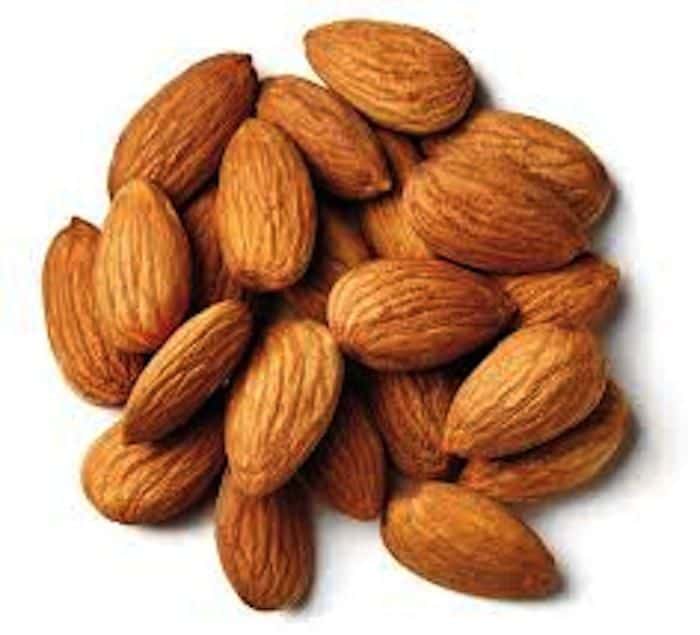
The reason many of these vitamins help maintain a strong immune system is that they are also antioxidants. Some foods that are rich in these vitamins include carrots, sweet potatoes, bell peppers, strawberries, almonds, avocados, salmon, oysters, tuna, lean chicken breast, and beef.[/vc_column_text][/vc_column_inner][/vc_row_inner][vc_column_text]
[/vc_column_text][vc_column_text]
[/vc_column_text][vc_column_text]So after knowing food and lifestyle changes to combat stress. Lifestyle changes are critical to combat stress.Living stress free life will ultimately contribute in Stress Less - Just Relax[/vc_column_text][/vc_column][/vc_row]